Every international move comes down to a basic choice: send your belongings by sea, by air, or a mix of both. The right answer depends on how soon you need things, how much you are shipping and what you want to spend.
Sea freight: the default for a household
With sea freight your belongings are packed, loaded into a shipping container and carried on an ocean vessel. There are two main options. A full container is reserved for your goods alone; as a rough guide a 20-foot container suits a one- to two-bedroom home and a 40-foot container a larger one. A shared container (often called groupage or LCL) suits smaller shipments, where your goods travel in a container with other customers’ goods.
Sea freight is far cheaper than air for large volumes and can carry furniture, large items and even vehicles. The trade-off is time: door to door it takes weeks, and the schedule depends on the route, the season and customs clearance.
Air freight: speed for what you need first
Air freight is priced by weight and volume, so it suits lighter shipments you need quickly: clothing, work equipment, kitchen basics, children’s items and documents you cannot be without. It arrives in days rather than weeks, but costs considerably more per pound or kilogram, and aircraft limit the size of what can be shipped.
Side by side
| Sea freight | Air freight | |
|---|---|---|
| Speed | Weeks | Days |
| Cost | Lower, especially for large volumes | Higher per pound or kilogram |
| Best for | Furniture, a full household, vehicles | Essentials, work items, urgent belongings |
| Typical volume | A shared space up to a full container | A few boxes up to a pallet |
| Size limits | Very large items possible | Limited by aircraft and pallets |
The smart answer for many families: split the shipment
You do not have to choose one. Many people send a small air shipment of essentials so the first weeks in the new home are comfortable, and the rest of the household by sea. It costs a little more than sea alone, but avoids weeks of living out of suitcases. Our guide to the moving timeline shows when to make this decision.
What affects both
- Customs clearance. Inspections and missing paperwork are the most common causes of delay, so have your documents ready. See our customs forms.
- Packing quality. Goods move and settle on a long journey, and containers can see changes in humidity. Professional packing is designed for that.
- Protection. Decide in advance how your shipment is covered. Read about moving insurance.
- Access at the destination. Stairs, elevators and parking affect delivery, so tell your mover what to expect.
How we handle it
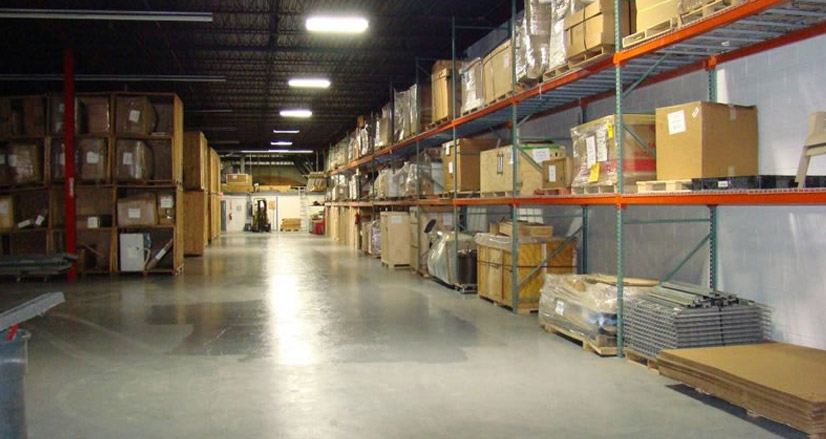
SK Worldwide ships household goods and vehicles by sea and air. Where access allows, we load the container right at your residence; otherwise we shuttle your goods to our facility, load there and ship the container. Air shipments are prepared to a rigorous checklist, from secure consolidation to final wrapping and labeling. See our sea and air freight page for photos of how we prepare shipments.
Frequently asked questions
How long does sea freight take?
Door to door it takes weeks rather than days. The exact time depends on the route, the season and customs clearance, and your coordinator can give you an estimate for your destination.
Can I send some belongings by air and the rest by sea?
Yes. Many families send essentials by air so that the first weeks in the new home are comfortable, and the rest of the household by sea.
Do I always need a full container?
No. Smaller shipments can travel in a shared container. Your coordinator recommends the right option after surveying what you are moving.
Plan your move with SK Worldwide
Our own crews, our own warehouse in New Jersey and one coordinator for your whole move. Request a quote, call (800) 238-8770, or list your rooms with our online self survey.